Loyalty Initiatives in Digital Poker: Analyzing Retention Data and Strategic Adjustments
Written by Jakob Russell · Aug 3, 2026
Loyalty Initiatives in Digital Poker: Analyzing Retention Data and Strategic Adjustments
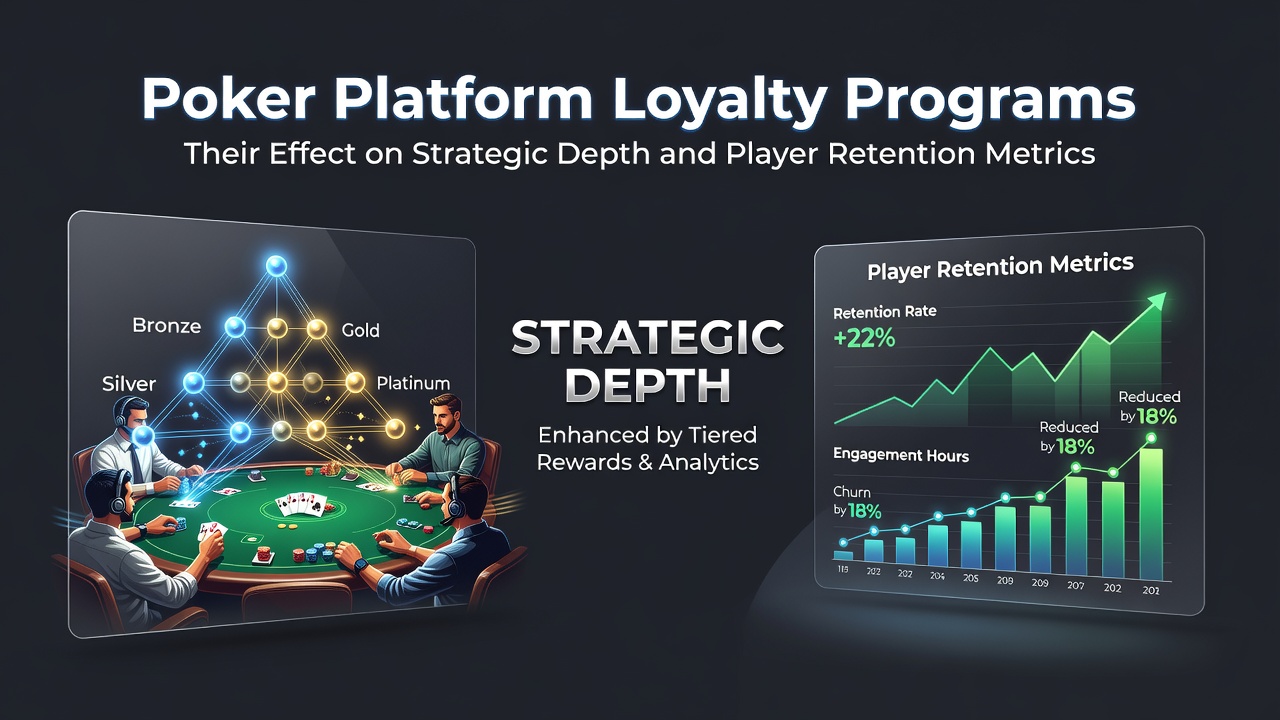
Online poker operators have expanded loyalty programs over the past decade to include tiered point systems, cashback percentages, and exclusive tournament entries that accumulate based on rake generated or hands played. These structures track player activity through centralized databases, and data from multiple platforms indicates that participants in higher tiers often extend their session lengths by 25 to 40 percent compared with non-members. As of August 2026 several major networks reported that loyalty points now integrate with multi-table tournaments and cash-game tracking, which allows players to redeem rewards across different game formats without resetting progress.
Core Components of Modern Loyalty Structures
Most programs calculate points from a fixed percentage of rake paid, with bonuses awarded at monthly or quarterly intervals. Lower tiers typically offer standard cashback rates between 5 and 15 percent, while top tiers grant additional perks such as travel packages or direct buy-ins to high-stakes events. Industry reports show that platforms using dynamic point multipliers during promotional periods see measurable increases in active accounts, particularly when multipliers apply to both cash games and sit-and-go formats simultaneously. Observers note that these mechanics encourage players to distribute their volume across multiple variants rather than concentrating solely on one preferred game type.
Influence on In-Game Decision Patterns
Strategic adjustments emerge when players factor reward thresholds into bankroll management and table selection. Studies from academic researchers at institutions tracking online gambling behavior have documented shifts toward higher-volume, lower-variance strategies among participants nearing tier upgrades. For instance, some players reduce their preflop aggression in cash games to preserve stack stability during point-chasing periods, while others increase multi-tabling counts to accelerate point accumulation. Data collected across European and North American sites reveals that these behavioral changes appear most pronounced in the final weeks of each reward cycle, after which play patterns often revert once thresholds are met.
Retention Metrics Across Different Tiers
Retention figures compiled by platform analytics teams demonstrate clear correlations between loyalty tier and account lifespan. Players who reach mid-tier status within their first six months exhibit 30 to 50 percent higher six-month retention rates than those who remain at entry level. Figures from Canadian provincial gaming authorities and Australian regulatory summaries both indicate that cashback redemptions serve as the strongest predictor of continued activity, surpassing even deposit bonuses in long-term impact. When reward redemptions occur automatically at the end of each month, churn rates drop further, suggesting that frictionless access to benefits reinforces habitual engagement.
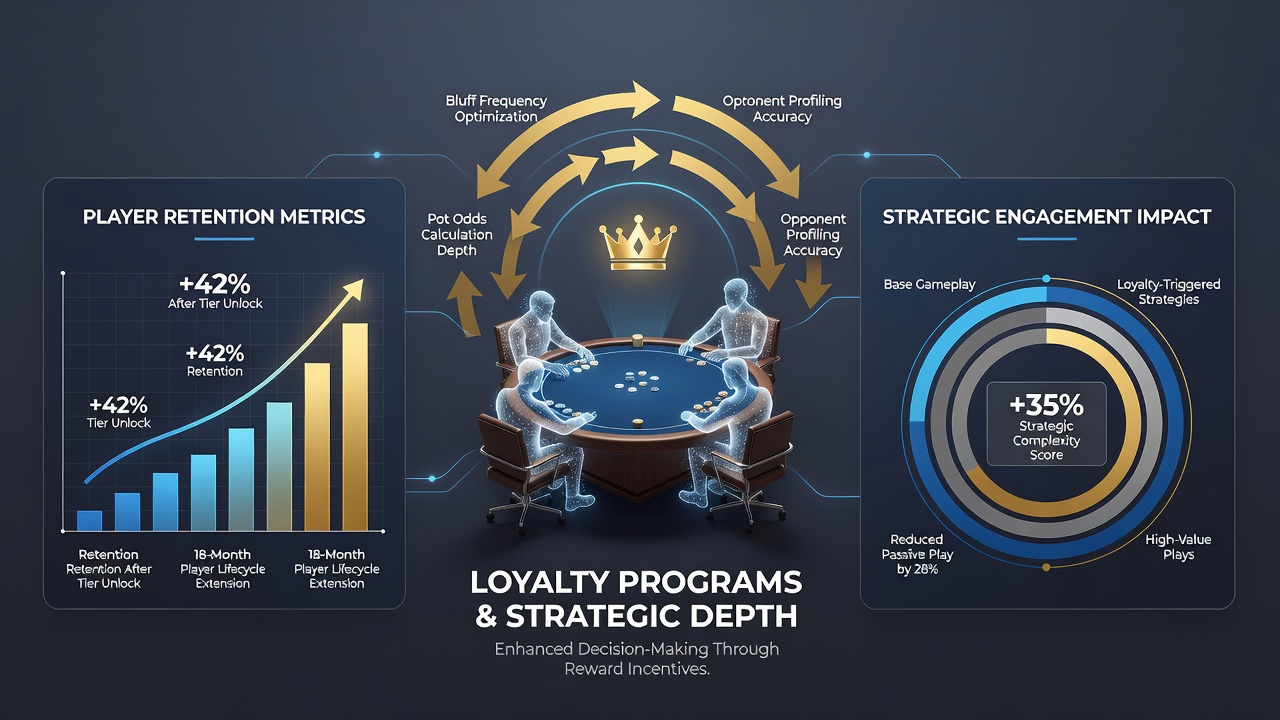
Additional research conducted by university-affiliated groups in Scandinavia has examined how loyalty mechanics interact with responsible gaming tools. Their findings indicate that players who set voluntary session limits while still progressing through tiers maintain steadier activity levels without the sharp drop-offs observed in unrestricted cohorts. Platforms that combine loyalty tracking with optional spending caps therefore record more stable monthly active user counts, particularly during slower summer periods when overall traffic traditionally declines.
Comparative Data from 2026 Platform Reports
Network-wide statistics released in August 2026 show that sites offering cross-format point earning retained 18 percent more recreational players than competitors relying only on tournament-specific rewards. Mid-stakes cash-game participants responded most strongly to hybrid rewards that credited both rake and tournament fees toward the same tier, whereas high-stakes specialists preferred programs that capped monthly redemptions to avoid tax reporting complications. These patterns emerge consistently across different regulatory jurisdictions, suggesting the retention effect stems from program design rather than regional player demographics alone.
Conclusion
Loyalty programs continue to shape both retention outcomes and in-game choices through measurable incentive structures. Retention data collected through 2026 confirms that tier progression and frictionless redemptions extend account lifespan, while strategic adjustments appear most evident near reward deadlines. Platforms that align point systems across game types record steadier user bases, and ongoing tracking by regulatory bodies and research institutions provides further insight into these dynamics as programs evolve.