Poker Bonuses as Strategic Tools: Pairing Hand Analysis Software with Live Tournament Data Feeds
Written by Jakob Russell · Jun 15, 2026
Poker Bonuses as Strategic Tools: Pairing Hand Analysis Software with Live Tournament Data Feeds
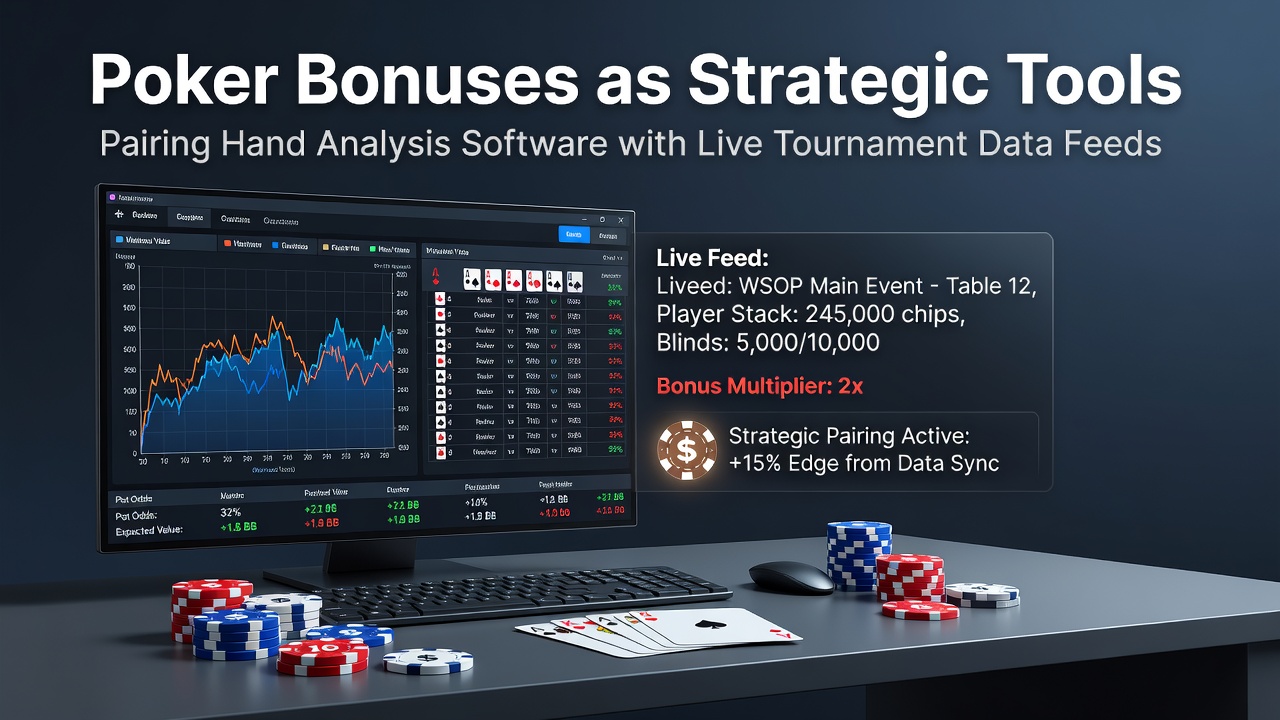
Players have long treated poker bonuses as simple deposit incentives yet data from multiple regulatory bodies shows these offers function as calculated edges when combined with specialized tools; hand analysis software such as tracking programs now receives real-time inputs from tournament data services, allowing users to adjust strategies around bonus wagering requirements and payout structures. In June 2026 several major circuits will roll out expanded schedules across North American venues, creating fresh opportunities for those who align bonus terms with analytical overlays.
How Bonuses Interact with Tournament Structures
Modern poker sites release bonus structures that tie directly to tournament buy-ins, and observers note that these promotions often include play-through conditions measured in big blinds or hands; when a player receives a 100 percent match bonus up to a stated limit the software can flag optimal entry points based on historical field sizes and payout distributions pulled from live feeds. Data released by the Nevada Gaming Control Board indicates that average bonus redemption rates climb when participants review past performance metrics rather than relying on manual calculations alone.
Hand Analysis Software Capabilities
Programs like PokerTracker and Hold'em Manager import hand histories then generate statistics on positional play, aggression factors, and showdown frequencies; these platforms accept API connections from data providers that stream current tournament stacks, blind levels, and player counts, so users receive updated equity calculations without switching between multiple applications. Research published by the University of Sydney's gambling studies unit demonstrates that players who overlay live variables onto their databases reduce variance in decision making during late registration windows.
Live Tournament Data Feeds Explained
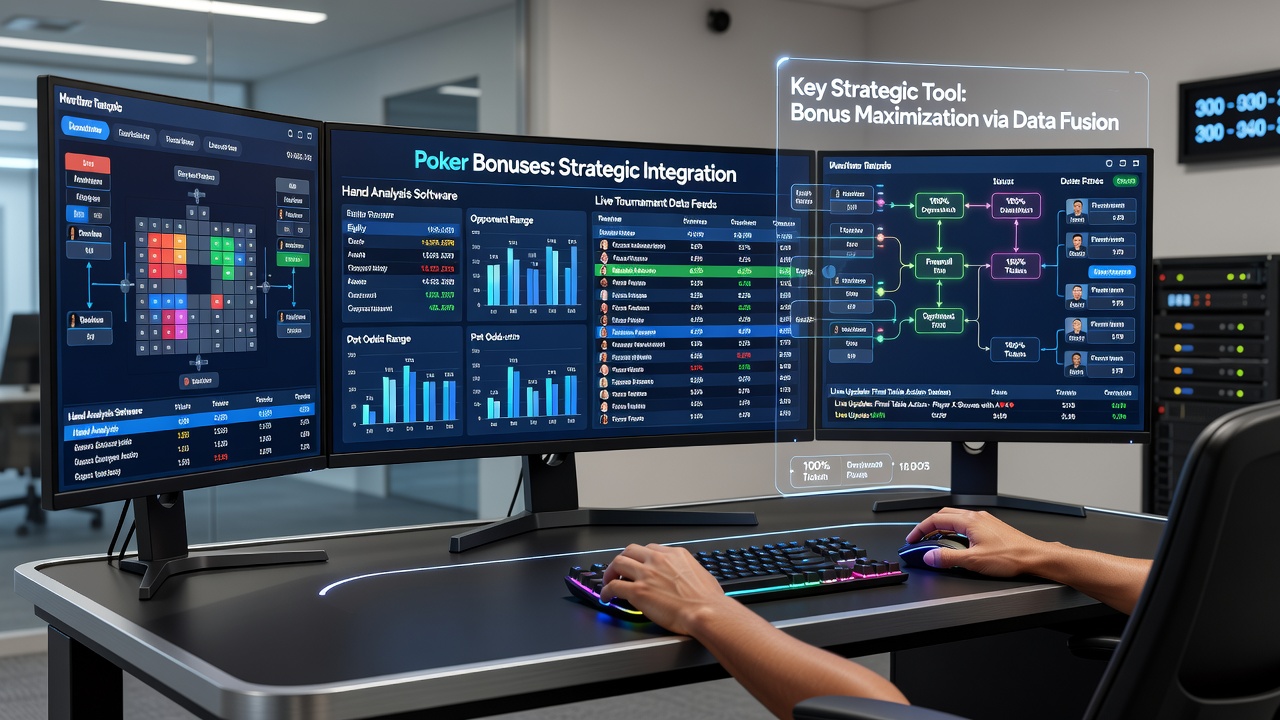
Live feeds aggregate information from official tournament directors and third-party services, delivering updates on average stack sizes, payout ladders, and ICM pressure points; when these streams feed into analysis software the combined system highlights spots where bonus-related volume requirements align with high-EV tables. Australian communications authority reports on online wagering confirm that real-time data access correlates with higher completion rates for promotional play-through targets across regulated platforms.
One documented workflow involves importing a tournament's starting chip counts and payout structure into the software database, after which the program simulates ranges adjusted for current field size; the player then identifies tables where loose early play satisfies bonus clearing metrics while maintaining positive expected value. In practice this pairing lets participants avoid tables that skew toward premium hand defense, a pattern that surfaces repeatedly in aggregated datasets from European poker federations.
Strategic Applications During Peak Periods
During June 2026 festival weeks the volume of simultaneous tournaments rises sharply, and feeds update every few minutes to reflect late entrants and table consolidations; software users can set alerts for bonus-eligible events that match their pre-defined filters for stack depth and payout thresholds. Canadian provincial gaming commissions publish participation figures that show increased engagement from players who employ integrated tools compared with those who do not, although exact causation remains under study.
Another layer appears when bonuses carry time limits measured in calendar days; the software cross-references remaining wagering obligations against projected tournament durations pulled from live schedules, allowing precise session planning that avoids unnecessary volume at unfavorable structures. Industry reports from the European Gaming and Betting Association note that such synchronization reduces instances of bonus forfeiture due to missed deadlines.
Technical Integration Process
Most analysis packages support custom data import scripts that pull JSON feeds from approved tournament services; once configured the program recalculates hand equities on the fly and tags hands that satisfy bonus volume while displaying deviation from optimal ranges. Observers at major training sites report that users who maintain these connections experience fewer manual adjustments during multi-table sessions.
Security considerations include encrypted API keys and read-only permissions, measures that tournament organizers and software developers implement to protect participant information; regulatory frameworks in multiple jurisdictions require these safeguards before live data access is granted to third-party applications.
Conclusion
The combination of poker bonuses with paired hand analysis software and live tournament feeds produces measurable workflow efficiencies for participants who meet the technical and regulatory prerequisites. As circuits expand their June 2026 calendars the availability of synchronized data streams continues to shape how players approach promotional offers within structured competitive environments.