Reviewing teh Scale and Operations of the 2026 World Series of Poker
Written by Jordan Ludwig · Jul 31, 2026

Reviewing teh Scale and Operations of the 2026 World Series of Poker
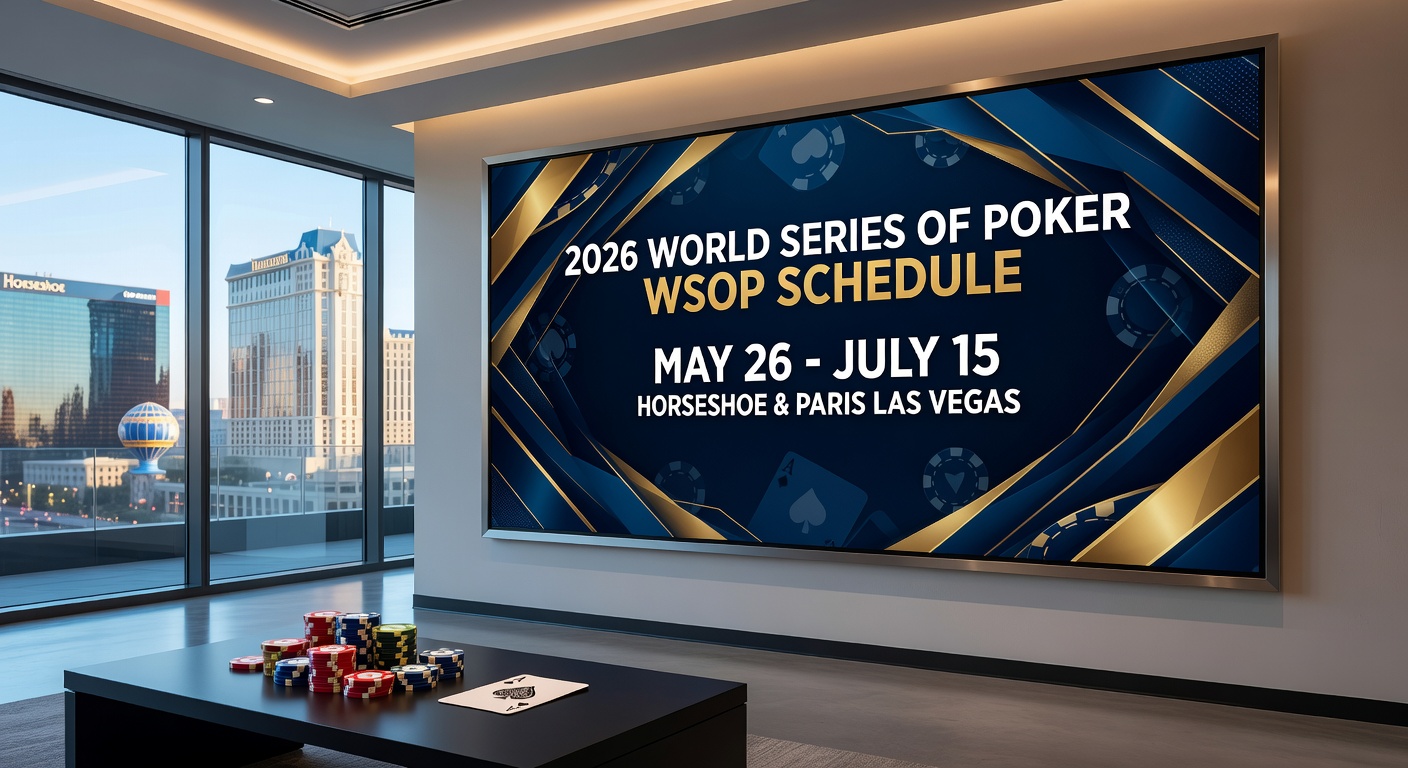
The 2026 World Series of Poker ran from May 26 through July 15 across Las Vegas venues and drew widespread attention for its record-breaking number of participants along with extensive scheduling that spanned multiple weeks of bracelet events; according to the detailed first-person account published on Poker.org the series demonstrated unmatched scale while delivering generally smooth operations at the core venues. Observers note that new hires focused on player engagement created noticeable improvements in areas such as tournament flow and attendee support which helped maintain high levels of participation throughout the extended schedule. Those who followed the coverage saw multiple big-name bracelet winners emerge during the run creating memorable highlights that stood out amid the daily grind of events.
Key Operational Strengths Highlighted
Experts have observed that the review emphasized the overall efficiency in managing large fields and coordinating across Horseshoe and Paris Las Vegas properties where events took place without major logistical breakdowns; data from the Nevada Gaming Control Board indicates steady growth in tournament entries over recent years which aligned with the 2026 turnout figures referenced in the piece. And the account pointed out consistent execution in areas like registration processes and floor management that allowed the series to handle its ambitious scope effectively even as attendance remained elevated into the later weeks of July 2026.
Areas of Criticism in Coverage and Timing
Yet the same review identified several persistent issues that affected viewer and player experiences including delayed YouTube streams which underwent editing in South Korea and resulted in a 2.5-hour lag for audiences; inconsistent live coverage further compounded the challenges while abrupt implementations of shot clocks drew attention for their uneven application across events. Excessive late registration and re-entries also received mention as factors that extended certain tournaments and altered dynamics for participants who arrived early. The piece noted that ESPN produced a limited number of Main Event episodes which left gaps in traditional broadcast reach during the series run.
People who've tracked poker media trends often discover that such delays in streaming can shift how enthusiasts engage with ongoing action especially when final tables stretch into additional days. In this case the review stated that the Main Event concluded without crowning a champion because the final table itself faced further postponement beyond the official July 15 close date.
Player Engagement and Memorable Outcomes
Turns out the new WSOP staff efforts in engagement received positive nods for fostering better communication and on-site experiences that helped offset some of the coverage shortcomings; multiple bracelet wins by prominent players provided standout moments that the review described as highlights worth remembering. Those who've studied past series know that strong community initiatives can influence repeat participation rates and the 2026 account suggested these moves contributed to sustained interest despite the operational hiccups. Research from industry reports such as those issued by the American Gaming Association shows continued expansion in poker tournament formats which mirrors the broad structure seen this year.
Broader Context of Streaming and Broadcast Challenges
The review connected the streaming lag and live coverage inconsistencies to broader production decisions that placed editing responsibilities overseas while limiting real-time options for global viewers; abrupt shot-clock rules appeared without uniform rollout which created variable conditions for competitors depending on the specific event stage. Late registration policies that allowed extensive re-entries extended play in ways that some observers found disrupted standard pacing yet the series maintained its reputation for volume and variety. A second external perspective comes from academic analyses at institutions like the University of Nevada Las Vegas which examine event management in gaming and note similar patterns in large-scale operations where timing elements require precise coordination.
Conclusion
The Poker.org review ultimately framed the 2026 World Series of Poker as a mix of impressive scale and memorable player moments alongside clear opportunities for refinement in coverage delivery and scheduling consistency; the absence of a Main Event champion at the close of the July 15 window underscored how timing issues can extend beyond the planned calendar. Data and accounts from the series illustrate both the strengths in operational execution and the specific friction points that arose during the multi-week event cycle. Future iterations may address these elements based on the feedback detailed in the piece while preserving the core appeal that continues to draw large fields to Las Vegas each year.