Seasonal Calendars as Tools for Coordinating Strategic Planning and Marketing Initiatives
Written by Sage Braun · Aug 21, 2026
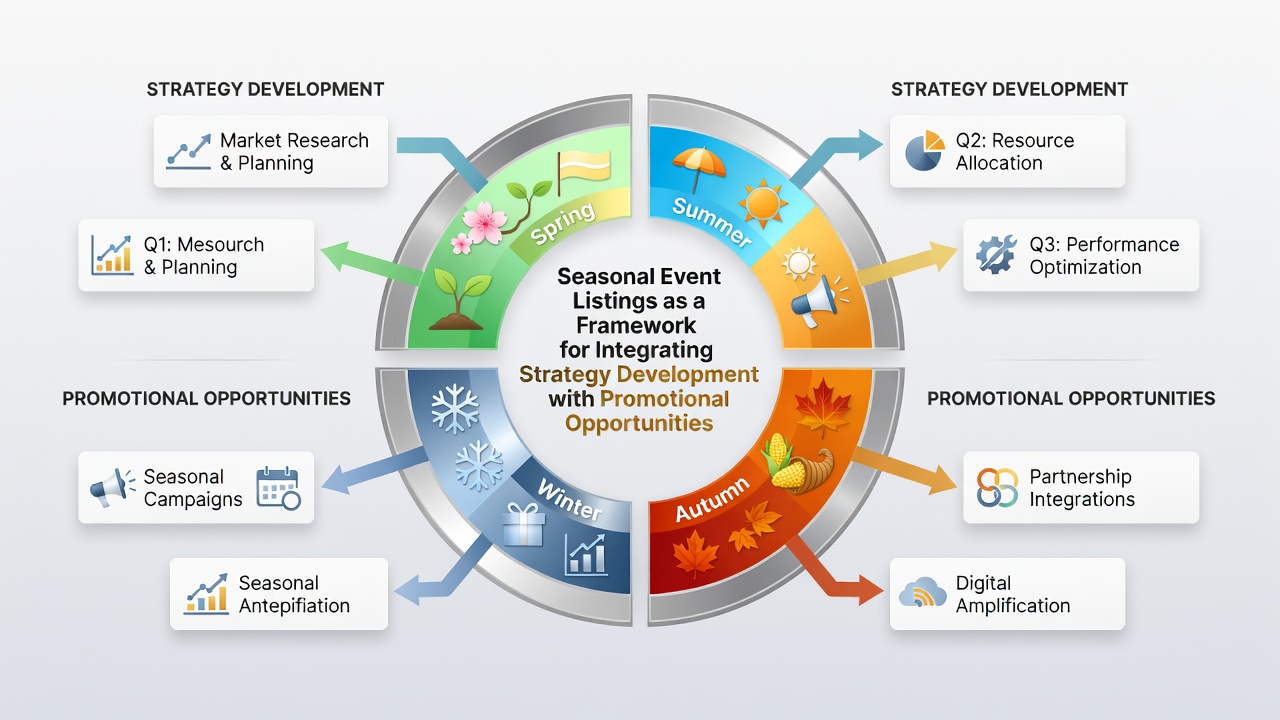
Seasonal Calendars as Tools for Coordinating Strategic Planning and Marketing Initiatives
Seasonal event listings provide structured timelines that organizations use to align long-term development goals with targeted promotional activities, and data from industry reports show how companies across sectors apply these calendars to optimize resource allocation throughout the year. Observers note that listings typically categorize events by quarter or month, which allows planners to anticipate peak periods such as holiday seasons or regional festivals while building corresponding campaign timelines that match internal strategy milestones.
Research indicates that firms relying on these frameworks often synchronize product launches or service updates with external events listed in public calendars, and this approach draws from aggregated data compiled by government statistical agencies. For instance, the Australian Bureau of Statistics publishes seasonal tourism and retail figures that businesses consult when mapping promotional windows against broader economic cycles, which helps teams forecast demand patterns without relying solely on internal projections.
Core Components of Seasonal Listing Frameworks
Effective frameworks break down into several layers that include event identification, timing analysis, and integration checkpoints, while each layer connects to both strategic objectives and promotional tactics through shared data points. Organizations first compile listings from official sources, then cross-reference them with internal calendars to identify overlaps where a single initiative can serve multiple purposes, such as combining a strategy review session with a seasonal promotion launch.
Those who study these systems find that visual mapping tools play a central role because they display concurrent events on one timeline, which reveals opportunities for joint resource use and reduces scheduling conflicts. Data shows that teams using such visualizations report clearer coordination between departments responsible for strategy formulation and those handling external communications.
Integration Methods in Practice
Companies integrate seasonal listings into strategy development by establishing review cycles that occur at fixed intervals, and these cycles incorporate fresh data from listings to adjust targets or reallocate budgets accordingly. Promotional opportunities emerge when listings highlight periods of heightened consumer activity, which planners then match with specific messaging themes drawn from the overarching strategy document.
One documented case involves retail chains that align inventory planning with listed back-to-school events while simultaneously preparing digital campaigns that reinforce brand positioning established earlier in the year. Figures from Statistics Canada reveal seasonal retail spikes that inform these alignments, allowing organizations to time announcements with measurable increases in market engagement.
What's interesting is how regulatory bodies in different regions contribute to these listings through standardized reporting, and the European Commission releases periodic updates on seasonal economic indicators that businesses incorporate into their planning models. This geographic diversity helps organizations operating across borders maintain consistent frameworks while adapting to local calendars.
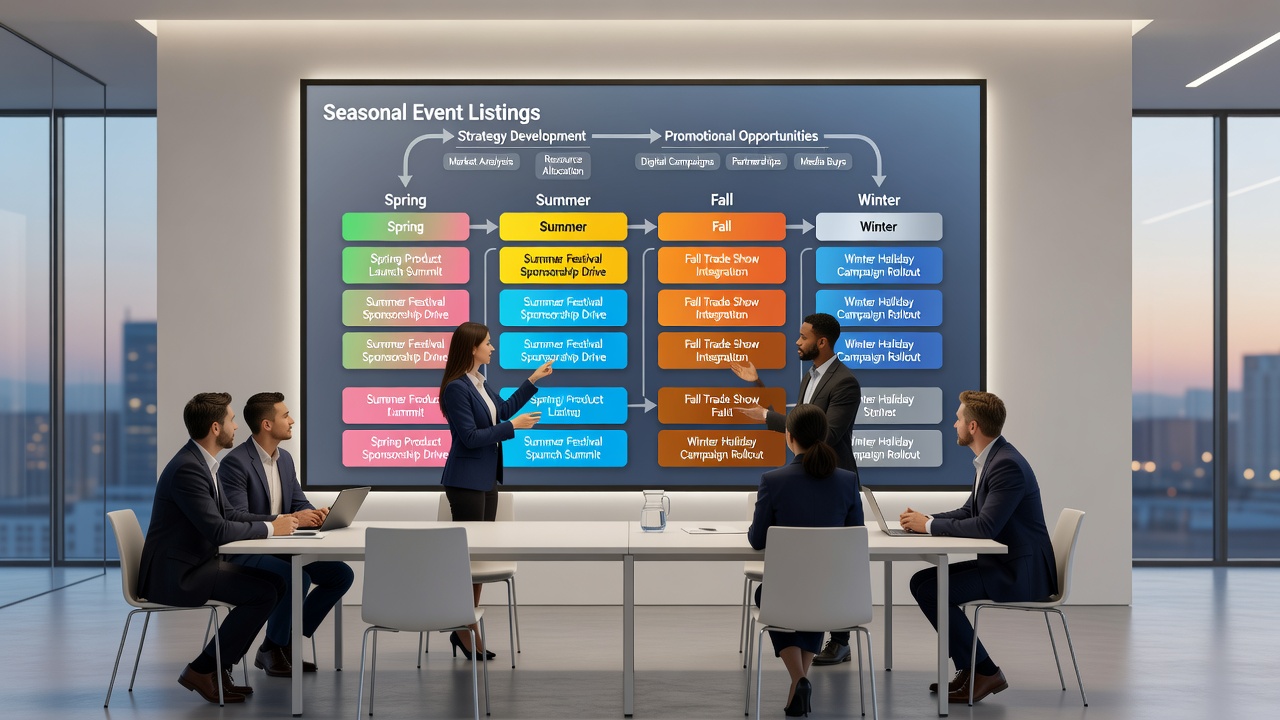
August 2026 Considerations and Forward Planning
August 2026 appears on many calendars as a transitional month that follows major summer events and precedes fall campaigns, which makes it a natural point for mid-year strategy reviews paired with targeted promotions. Organizations preparing now examine historical data from similar periods to project how listings for that month might intersect with product cycles or market expansions already underway.
Planners connect these future listings to current strategy documents by inserting checkpoints that evaluate progress against seasonal benchmarks, and this method keeps promotional efforts tethered to measurable development milestones rather than isolated campaigns.
Data Sources and Measurement Approaches
Measurement relies on indicators drawn from multiple agencies, and the US Census Bureau supplies retail and service sector data that organizations layer onto their seasonal listings for accuracy. Teams track correlation between listed events and actual performance metrics, which refines future iterations of the framework and strengthens the link between strategy elements and promotional outcomes.
Industry associations further contribute by publishing aggregated reports that highlight effective integration patterns across sectors, allowing observers to compare approaches without prescribing specific tactics. These reports emphasize the value of maintaining updated listings that reflect both recurring seasonal patterns and emerging one-time events.
Conclusion
Seasonal event listings function as connective structures that link strategy development processes with promotional scheduling through shared timelines and data references, and organizations continue to refine these frameworks using inputs from statistical agencies worldwide. As August 2026 approaches, updated listings will likely influence how teams adjust ongoing initiatives to capture aligned opportunities in a coordinated manner.